
Restless Infections – Public Art and a transforming City
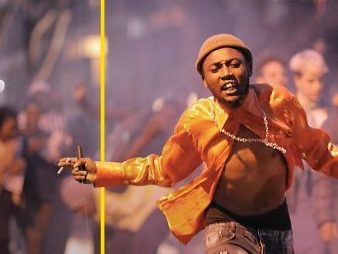
Author(s): Leila Anderson, nora chipaumire, Sinazo Chiya, Amogelang Maledu, Khanyisile Mbongwa, Mandla Mbothwe, Mbongeni Mtshali, Sarah Nuttall, Thania Petersen, Nicole Sarmiento, Meghna Singh, Rike Sitas
Editor(s): Jay Pather
US $35.00
Format: Paperback / Epub / PDF
ISBN: 9781776149452
DOI: 10.18772/22025059452
Publication Date: 1st May 2025
Publisher: Wits University Press
Restless Infections is a collection of critical essays exploring artistic interventions in urban spaces, focusing on place-making and the politics of space in South Africa. The writers examine seminal artworks, addressing diverse forms of expression, such as performances, immersive installations, film, and online performances.
Restless Infections is an innovative collection of critical essays exploring artistic interventions in urban spaces, focusing on place-making and the politics of space in South Africa. The contributors examine seminal artworks by South African artists, addressing diverse forms of expression, such as site-specific performances, immersive installations, film, photography and online performances.
The volume stems from the popular Infecting the City public art festival, symbolising the persistent state of restlessness in a city still grappling with the legacies of colonialism, inequality and racial segregation. This restlessness is tied to a desire for economic and political stability, expressed through transient art forms. It is divided into three sections: The Restless City, Public Art for Multiple Publics, and Land, Home, Belonging.
The book shifts the focus of public art discourse in South Africa from static forms such as monuments and statues to dynamic, temporary interventions that question the concept of publicness and engage with protest, public intimacy, audience interaction and the disrupted topography of apartheid cities.
As the first scholarly volume to read public spheres through a multi- and interdisciplinary lens, Restless Infections argues that diverse artistic modes are essential to understanding the complexities of publicness in South Africa.